CSV To Datastore
The CSV To Datastore worker receives a CSV File and converts it to a datastore.
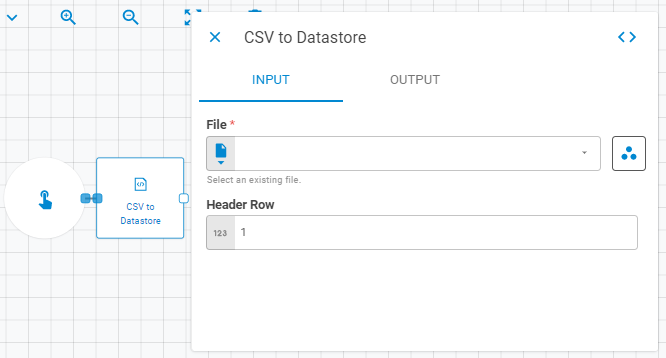
Parameters
The CSV To Datastore worker must receive specific parameters in order to execute properly. When parameters are not set correctly it may cause the worker to not work as expected. This worker's parameters are separated in the following tabs: Input and Output.
Input
The Input tab contains parameters which are consumed by the worker, in order to execute its calculations or actions.
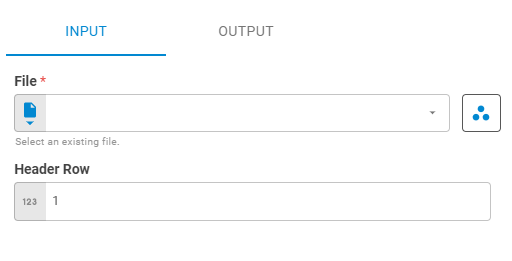
File
Set the file to be retrieved using Fixed File, Get Latest, Get List or Upstream Data variants.
Workspace
Set the research workspace of the file using Fixed Workspace variant.
Header Row
Set the CSV file's header row index using Fixed Number variant.
Output
The Output tab contains parameters that defines the worker execution results, and how it will be provided to downstream workers.
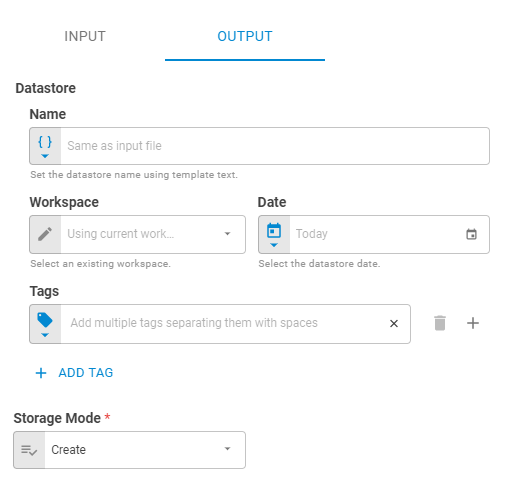
Name
Set the output datastore name using Template Text or Upstream Data variants. Default setting is the name of the input portfolio.
Date
Set the output datastore date using Fixed Date or Upstream Data variants. Default setting is the date of the input portfolio.
Workspace
Set the workspace in which the output datastore will be saved on the platform using Fixed Workspace. Default setting is the workspace of the input portfolio.
Tags
Set the output datastore tags using Fixed Tags or Upstream Data variants. Default setting is the tags of the input portfolio.
Storage Mode
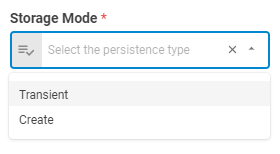
Select if the result portfolio will be saved on the platform, update an existing portfolio or be a transient one through the following options: Transient and Create.
Result
Once the worker finishes its executions successfully, it will return a result object containing the retrieved file(s) to the workflow, which can be used by downstream workers. Below you can see an example of the CSV To Datastore's result object hierarchy. You can check the Output Types article to learn more about result objects types.
- Datastore (datastore)
- ID (string)
- Name (string)
- Date (date)
- Tags (list of strings)
- Data (list of lists)